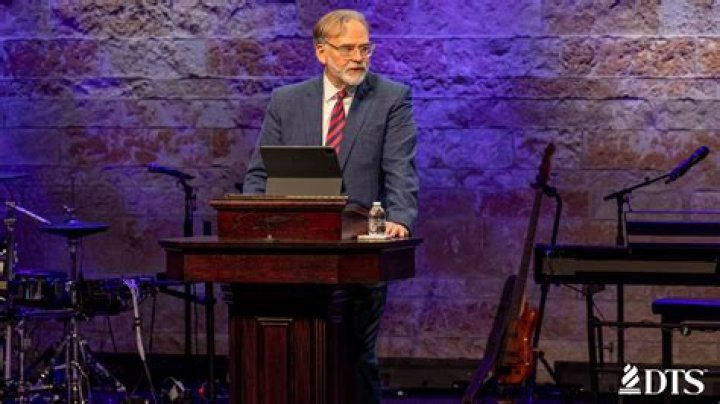
Wylda Rae Johnson is a prominent figure in the field of education, known for her groundbreaking contributions to early childhood development and her unwavering advocacy for equitable access to quality education.
As a renowned expert in early childhood education, Johnson's research and theories have significantly shaped our understanding of how young children learn and develop. Her emphasis on the importance of play-based learning and fostering children's natural curiosity has revolutionized educational practices worldwide.
Johnson's dedication to equity and inclusion has also left an indelible mark on the education landscape. She has been a tireless advocate for policies and programs that ensure all children, regardless of their background or circumstances, have the opportunity to succeed. Her work has had a profound impact on improving educational outcomes for marginalized communities.
Wylda Rae Johnson
Wylda Rae Johnson is a highly influential figure in the field of education, particularly in the areas of early childhood development and equity in education. Her work has had a profound impact on our understanding of how young children learn and develop, as well as on the development of policies and programs that ensure all children have access to quality education.
- Early childhood education
- Play-based learning
- Equity and inclusion
- Educational policy
- Research and theory
- Teacher education
- Social justice
- Diversity
- Leadership
- Innovation
Johnson's work on early childhood education has helped to shape our understanding of the importance of the early years in a child's development. She has been a strong advocate for play-based learning, which allows children to learn and develop through hands-on experiences. Johnson has also been a tireless advocate for equity and inclusion in education. She has worked to ensure that all children, regardless of their background or circumstances, have access to quality education. Johnson's research and theory have had a significant impact on the field of education, and her work continues to inspire and inform educators around the world.
Early childhood education
Early childhood education is the period of learning that takes place from birth to age 8. It is a critical time for development, as children learn the skills and knowledge they need to succeed in school and life. Wylda Rae Johnson is a leading expert in early childhood education, and her work has had a profound impact on the field.
- Importance of play-based learning
Johnson is a strong advocate for play-based learning, which allows children to learn and develop through hands-on experiences. She believes that play is essential for children's cognitive, social, and emotional development.
- Equity and inclusion
Johnson is also a passionate advocate for equity and inclusion in early childhood education. She believes that all children, regardless of their background or circumstances, deserve access to quality education. She has worked to develop policies and programs that ensure that all children have the opportunity to succeed.
- Teacher education
Johnson is also a leading expert in teacher education. She has developed innovative programs to train early childhood educators. She believes that teachers play a critical role in children's learning and development, and she is committed to providing them with the best possible training.
- Research and theory
Johnson is a prolific researcher and theorist. Her work has helped to shape our understanding of how young children learn and develop. She has published numerous articles and books on early childhood education, and her work is widely cited by other researchers and educators.
Johnson's work has had a profound impact on the field of early childhood education. She is a leading expert on play-based learning, equity and inclusion, teacher education, and research and theory. Her work has helped to improve the quality of early childhood education for all children.
Play-based learning
Play-based learning is an approach to education that emphasizes the importance of play in children's learning and development. It is based on the idea that children learn best when they are actively involved in their learning and when they are able to explore and experiment with their environment.
- Cognitive development
Play-based learning can help children develop their cognitive skills, such as problem-solving, critical thinking, and creativity. When children play, they are able to explore their interests and learn about the world around them. They also learn how to interact with others and how to solve problems.
- Social and emotional development
Play-based learning can also help children develop their social and emotional skills. When children play with others, they learn how to cooperate, share, and take turns. They also learn how to express their emotions and how to resolve conflicts.
- Physical development
Play-based learning can also help children develop their physical skills. When children play, they are able to develop their gross motor skills, such as running, jumping, and climbing. They also develop their fine motor skills, such as grasping, reaching, and manipulating objects.
- Language development
Play-based learning can also help children develop their language skills. When children play, they are able to practice using language in a natural and meaningful way. They also learn new words and concepts.
Wylda Rae Johnson is a leading advocate for play-based learning. She believes that play is essential for children's learning and development. She has written extensively about the benefits of play-based learning and has developed a number of programs to promote play-based learning in early childhood education.
Equity and inclusion
Equity and inclusion are fundamental principles that guide Wylda Rae Johnson's work in education. She believes that all children, regardless of their background or circumstances, deserve access to quality education. She has dedicated her career to developing policies and programs that promote equity and inclusion in early childhood education.
One of the key ways that Johnson promotes equity and inclusion is through her advocacy for play-based learning. She believes that play is essential for all children, regardless of their abilities or backgrounds. Play allows children to learn and develop at their own pace, and it helps them to develop important social, emotional, and cognitive skills. Johnson has developed a number of programs that promote play-based learning in early childhood education settings.
Johnson is also a strong advocate for diversity and inclusion in the teaching profession. She believes that teachers should reflect the diversity of the students they teach. She has worked to develop programs that recruit and retain teachers from diverse backgrounds. She also provides professional development opportunities for teachers on how to create inclusive classrooms.
Johnson's work on equity and inclusion has had a profound impact on the field of early childhood education. She has helped to raise awareness of the importance of equity and inclusion, and she has developed innovative programs and policies that promote equity and inclusion in early childhood education settings.
Educational policy
Educational policy plays a critical role in shaping the quality of education that children receive. It encompasses a wide range of issues, including curriculum development, teacher training, and funding. Wylda Rae Johnson is a leading expert in educational policy, and her work has had a profound impact on the field.
One of the key areas of Johnson's work is her focus on equity and inclusion. She believes that all children, regardless of their background or circumstances, deserve access to quality education. She has worked to develop policies and programs that promote equity and inclusion in early childhood education.
For example, Johnson was instrumental in the development of the Head Start program, which provides comprehensive early childhood education services to low-income families. She also helped to develop the Early Reading First program, which provides funding for early literacy instruction in low-income schools.
Johnson's work on educational policy has had a significant impact on the lives of children across the country. Her research and advocacy have helped to improve the quality of early childhood education for all children, and she has been a tireless champion for equity and inclusion in education.
Research and theory
Research and theory are essential components of Wylda Rae Johnson's work in education. She is a leading expert in early childhood education, and her research has helped to shape our understanding of how young children learn and develop. Her theory of play-based learning is widely recognized as one of the most important contributions to the field of early childhood education in recent years.
Johnson's research has shown that play is essential for children's cognitive, social, and emotional development. She has found that children who engage in play-based learning are more likely to succeed in school and have better outcomes later in life. Her research has also shown that play-based learning can help to reduce the achievement gap between children from different socioeconomic backgrounds.
Johnson's theory of play-based learning has been adopted by early childhood educators around the world. It has helped to improve the quality of early childhood education for all children. Johnson's work is a shining example of how research and theory can be used to improve the lives of children.
Teacher education
Wylda Rae Johnson is a leading expert in teacher education. She has developed innovative programs to train early childhood educators. She believes that teachers play a critical role in children's learning and development, and she is committed to providing them with the best possible training.
- Curriculum development
Johnson has developed a curriculum for early childhood teacher education that is based on the latest research on how young children learn and develop. The curriculum emphasizes the importance of play-based learning and provides teachers with the skills they need to create inclusive classrooms.
- Professional development
Johnson also provides professional development opportunities for teachers on how to create inclusive classrooms. She offers workshops and training programs on a variety of topics, including play-based learning, equity and inclusion, and child development.
- Mentoring and coaching
Johnson also provides mentoring and coaching to early childhood teachers. She works with teachers to help them improve their teaching skills and to create more effective learning environments for children.
- Research and advocacy
Johnson is also a leading researcher in the field of early childhood education. She conducts research on a variety of topics, including play-based learning, equity and inclusion, and teacher education. Her research findings have helped to improve the quality of early childhood education for all children.
Johnson's work on teacher education has had a profound impact on the field. She has helped to improve the quality of early childhood education for all children. She is a passionate advocate for teachers and she is committed to providing them with the best possible training.
Social justice
Social justice is a concept that encompasses the idea of creating a society in which all people are treated fairly and equitably, regardless of their race, gender, sexual orientation, socioeconomic status, or other characteristics. It is a complex and multifaceted concept that has been interpreted and applied in many different ways throughout history.
- Equity and inclusion
One of the key aspects of social justice is equity and inclusion. This means ensuring that all people have access to the same opportunities and resources, regardless of their background or circumstances. Wylda Rae Johnson has been a lifelong advocate for equity and inclusion in education. She believes that all children deserve access to quality education, regardless of their race, gender, socioeconomic status, or other characteristics. She has worked to develop policies and programs that promote equity and inclusion in early childhood education.
- Diversity
Another important aspect of social justice is diversity. This means valuing and celebrating the differences between people. Wylda Rae Johnson believes that diversity is essential for a healthy and vibrant society. She has worked to promote diversity in early childhood education by recruiting and retaining teachers from diverse backgrounds. She also provides professional development opportunities for teachers on how to create inclusive classrooms.
- Leadership
Social justice requires strong leadership. Wylda Rae Johnson is a recognized leader in the field of early childhood education. She has used her platform to speak out about the importance of social justice. She has also worked to develop policies and programs that promote social justice in early childhood education. She is a role model for other educators and advocates who are working to create a more just and equitable world.
- Innovation
Social justice requires innovation. Wylda Rae Johnson is a creative thinker who is always looking for new ways to promote social justice in early childhood education. She has developed a number of innovative programs and initiatives that have made a real difference in the lives of children. She is an inspiration to other educators who are working to create a more just and equitable world.
Wylda Rae Johnson is a passionate advocate for social justice. She believes that all children deserve a fair and equitable chance to succeed. She has dedicated her life to working towards a more just and equitable world for all.
Diversity
Diversity, in the context of Wylda Rae Johnson's work, encompasses the celebration and appreciation of individual differences, fostering an inclusive environment where all children feel valued and respected.
- Equity and Inclusion: Johnson recognizes that diversity goes beyond mere representation; it involves actively creating an environment where all children have equal opportunities to thrive. She advocates for inclusive practices that ensure every child feels a sense of belonging and has access to the resources they need to succeed.
- Cultural Sensitivity: Johnson emphasizes the importance of cultural sensitivity in early childhood education. She encourages educators to understand and appreciate the diverse cultural backgrounds of their students, incorporating culturally relevant materials and practices into their teaching to foster a sense of belonging for all.
- Representation: Johnson believes that children benefit from seeing themselves reflected in their educators and curriculum. She promotes the recruitment and retention of diverse teachers and the use of inclusive curricula that represent the diverse backgrounds of the children they serve.
- Anti-Bias Education: Johnson recognizes the prevalence of unconscious bias and works to promote anti-bias education in early childhood settings. She encourages educators to examine their own biases and create learning environments that challenge stereotypes and promote understanding among children.
By embracing diversity in all its forms, Wylda Rae Johnson's work strives to create equitable and inclusive early childhood education experiences where every child feels valued, respected, and empowered to reach their full potential.
Leadership
Wylda Rae Johnson's unwavering commitment to equity and excellence in early childhood education has positioned her as a visionary leader in the field. Her leadership qualities have played a pivotal role in shaping the landscape of early childhood education.
- Championing Innovation: Johnson has consistently pushed the boundaries of early childhood education by embracing innovative approaches and methodologies. She recognizes the need to adapt to changing times and perspectives, and her willingness to experiment has led to the development of groundbreaking programs and initiatives.
- Fostering Collaboration: Johnson understands the power of collaboration and has been instrumental in building partnerships between researchers, educators, policymakers, and community organizations. By fostering a collaborative spirit, she has created a network of individuals and institutions dedicated to improving the lives of young children.
- Empowering Educators: Johnson believes that the quality of early childhood education hinges on the quality of its educators. She has dedicated herself to providing professional development opportunities, mentorship programs, and resources that empower educators to deliver the best possible experiences for children.
- Advocating for Equity: Throughout her career, Johnson has been a tireless advocate for equity and inclusion in early childhood education. She recognizes that all children deserve access to high-quality education regardless of their background or circumstances, and she has worked relentlessly to create equitable opportunities for all.
Wylda Rae Johnson's leadership has not only transformed the field of early childhood education but has also inspired countless individuals to dedicate their lives to improving the lives of young children. Her vision, passion, and commitment continue to shape the future of early childhood education, ensuring that every child has the opportunity to thrive and reach their full potential.
Innovation
Innovation has been a driving force behind Wylda Rae Johnson's remarkable contributions to early childhood education. Throughout her career, she has consistently challenged conventional wisdom and pushed the boundaries of what is possible in the field.
One of Johnson's most significant innovations is her emphasis on play-based learning. She recognized that play is not merely a frivolous activity but rather an essential component of children's cognitive, social, and emotional development. By incorporating play into the curriculum, Johnson created a more engaging and effective learning environment that fostered children's curiosity and creativity.
Another example of Johnson's innovative spirit is her work on(EBE). EBE is an approach to education that emphasizes the use of research and data to inform. Johnson was one of the first early childhood educators to adopt EBE, and her work has helped to establish it as a widely accepted practice in the field.
Johnson's commitment to innovation has had a profound impact on the field of early childhood education. Her ideas have inspired countless educators to rethink their practices and to create more effective learning environments for children. As a result of her work, millions of children have benefited from a more innovative and engaging early childhood education experience.
FAQs about Wylda Rae Johnson's Work
This section addresses frequently asked questions about Wylda Rae Johnson's contributions to early childhood education, providing concise and informative answers.
Question 1: What is Wylda Rae Johnson's educational philosophy?
Answer: Johnson's philosophy emphasizes play-based learning, equity and inclusion, and teacher education. She believes that play is essential for children's development and that all children deserve access to quality education.
Question 2: How has Johnson's work impacted early childhood education?
Answer: Johnson's research and advocacy have significantly influenced the field. Her emphasis on play-based learning has transformed educational practices, and her work on equity and inclusion has made early childhood education more accessible to diverse populations.
Question 3: What are the key components of Johnson's play-based learning approach?
Answer: Johnson's approach focuses on providing children with opportunities for hands-on experiences, exploration, and creativity. It incorporates play into the curriculum and encourages educators to follow children's interests.
Question 4: How has Johnson addressed equity and inclusion in early childhood education?
Answer: Johnson has advocated for policies and programs that promote equity and inclusion. She has worked to increase access to early childhood education for underserved communities and has developed resources to support educators in creating inclusive classrooms.
Question 5: What are Johnson's contributions to teacher education?
Answer: Johnson has developed innovative teacher education programs that emphasize play-based learning and equity. She provides professional development opportunities for educators and mentors early childhood teachers.
Question 6: How can educators implement Johnson's ideas in their classrooms?
Answer: Educators can incorporate play-based learning by providing children with open-ended materials and encouraging them to explore and create. They can also promote equity and inclusion by creating a welcoming and respectful classroom environment that values diversity.
Summary: Wylda Rae Johnson's pioneering work has revolutionized early childhood education. Her emphasis on play-based learning, equity, and inclusion has transformed educational practices and made early childhood education more accessible and beneficial for all children.
Next Section: Exploring Wylda Rae Johnson's Impact on Early Childhood Education
Tips for Early Childhood Education from Wylda Rae Johnson
Based on the pioneering work of Wylda Rae Johnson, a renowned expert in early childhood education, these tips provide practical guidance for creating effective and equitable learning environments for young children.
Tip 1: Embrace Play-Based Learning
Incorporate play into the curriculum to foster children's cognitive, social, and emotional development. Provide open-ended materials and encourage children to explore, create, and engage in imaginative play.
Tip 2: Prioritize Equity and Inclusion
Create a welcoming and respectful classroom environment that values diversity and ensures all children feel included. Use culturally relevant materials and practices to make learning meaningful for all.
Tip 3: Support Teacher Development
Invest in high-quality teacher education programs that emphasize play-based learning and equity. Provide ongoing professional development opportunities for educators to enhance their skills and knowledge.
Tip 4: Foster Collaboration
Build partnerships with families, community organizations, and other stakeholders to support children's learning and well-being. Engage families as active participants in their children's education.
Tip 5: Utilize Research and Data
Inform your teaching practices with research and data. Use assessment tools to monitor children's progress and adjust your instruction accordingly.
Tip 6: Encourage Creativity and Innovation
Provide children with opportunities to express themselves creatively through art, music, and movement. Support innovative approaches to learning that foster critical thinking and problem-solving skills.
Tip 7: Create a Nurturing Environment
Establish a warm and supportive classroom atmosphere where children feel safe and respected. Build positive relationships with children and their families.
Tip 8: Advocate for Early Childhood Education
Recognize the importance of early childhood education and advocate for policies and funding that support high-quality programs for all children.
Summary: By implementing these evidence-based tips, educators can create early childhood learning environments that nurture children's development, promote equity and inclusion, and lay the foundation for their future success.
Conclusion
The exploration of Wylda Rae Johnson's work in early childhood education reveals a profound commitment to equity, innovation, and the power of play. Her research, advocacy, and leadership have transformed the field, shaping educational practices and policies that have positively impacted countless young lives.
Johnson's legacy inspires us to continue the pursuit of excellence in early childhood education. By embracing play-based learning, fostering equity and inclusion, and investing in the professional development of educators, we can create environments where all children have the opportunity to thrive and reach their full potential. Let us honor Johnson's dedication by ensuring that every child has access to high-quality early childhood education, laying the foundation for a more just and equitable society.