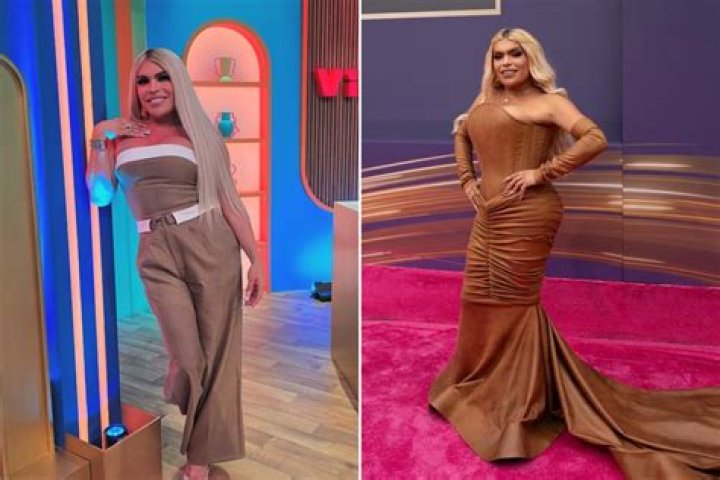
Candice Patton's ethnicity refers to her racial and cultural background. She identifies as a Black woman of African-American descent.
Patton's ethnicity has shaped her experiences and perspectives. She has spoken out about the challenges faced by Black women in the entertainment industry and the importance of representation. She is also an advocate for diversity and inclusion.
Patton's ethnicity is an important part of her identity and has influenced her career and activism.
candice patton ethnicity
Candice Patton's ethnicity encompasses various key aspects that shape her identity and experiences. These include:
- African-American
- Black
- Representation
- Diversity
- Inclusion
- Identity
- Culture
- Heritage
- Experience
As a Black woman of African-American descent, Patton has faced unique challenges and experiences throughout her life. She has spoken out about the importance of representation for Black women in the entertainment industry, and she is an advocate for diversity and inclusion. Patton's ethnicity is an important part of her identity, and it has influenced her career and activism.
African-American
The term "African-American" refers to the descendants of enslaved people who were brought to the United States from Africa. African-Americans have a unique culture and history that is distinct from other ethnic groups in the United States. Candice Patton is an African-American woman, and her ethnicity has shaped her experiences and perspectives.
As an African-American woman, Patton has faced unique challenges and experiences throughout her life. She has spoken out about the importance of representation for Black women in the entertainment industry, and she is an advocate for diversity and inclusion. Patton's ethnicity is an important part of her identity, and it has influenced her career and activism.
The connection between "African-American" and "Candice Patton ethnicity" is significant because it highlights the importance of understanding the unique experiences and perspectives of different ethnic groups. It also underscores the need for greater representation and inclusion of African-Americans in all aspects of society.
Black
The term "Black" is often used to describe people of African descent. It is a racial and ethnic identity that encompasses a shared history, culture, and experience. Candice Patton is a Black woman, and her ethnicity has shaped her experiences and perspectives.
As a Black woman, Patton has faced unique challenges and experiences throughout her life. She has spoken out about the importance of representation for Black women in the entertainment industry, and she is an advocate for diversity and inclusion. Patton's ethnicity is an important part of her identity, and it has influenced her career and activism.
The connection between "Black" and "Candice Patton ethnicity" is significant because it highlights the importance of understanding the unique experiences and perspectives of different ethnic groups. It also underscores the need for greater representation and inclusion of Black people in all aspects of society.
Representation
Representation refers to the presence of individuals from different backgrounds and identities in various sectors of society, including media, politics, and education. In the context of Candice Patton's ethnicity, representation is crucial for several reasons:
- Visibility and Role Models: When Black women are represented in the media, it provides visibility and positive role models for young Black girls. This can help to counter stereotypes and promote a more inclusive society.
- Authenticity and Cultural Nuances: Black women can bring their unique experiences and perspectives to their roles, ensuring that Black characters are portrayed authentically and with cultural sensitivity.
- Challenging Stereotypes: Representation can challenge stereotypes and promote a more nuanced understanding of Black women. By seeing Black women in diverse roles, audiences can learn about their complexities and individuality.
- Empowerment and Inspiration: Seeing Black women in positions of power and influence can empower and inspire young Black girls to pursue their own dreams and aspirations.
Overall, representation is essential for Candice Patton's ethnicity because it allows Black women to be seen, heard, and valued. It also contributes to a more inclusive and equitable society where all voices are represented.
Diversity
Diversity encompasses the inclusion and representation of individuals from various backgrounds, experiences, and identities. In the context of Candice Patton's ethnicity, diversity plays a crucial role in several aspects:
- Cultural Perspectives: Diversity allows for the inclusion of different cultural perspectives and experiences, ensuring that stories and characters are not limited to a single narrative.
- Representation and Inclusion: Diversity promotes representation and inclusion by creating opportunities for individuals from underrepresented groups, such as Black women, to be seen and heard.
- Authenticity and Nuance: By embracing diversity, creators can portray characters with greater authenticity and nuance, reflecting the complexities of real-world identities.
- Challenging Stereotypes: Diversity helps challenge stereotypes and biases by showcasing the diversity within different ethnic groups, breaking down preconceived notions.
Overall, diversity is essential for Candice Patton's ethnicity because it allows for a more inclusive and representative portrayal of Black women in the media. It contributes to a broader understanding of the complexities and richness of different cultures and backgrounds.
Inclusion
Inclusion is the practice of ensuring that individuals from all backgrounds are welcomed, respected, and treated fairly. In the context of Candice Patton's ethnicity, inclusion is crucial for several reasons:
- Representation and Visibility: Inclusion allows for the representation and visibility of Black women in the media and entertainment industry. This helps to break down barriers and create a more diverse and inclusive landscape.
- Authentic Storytelling: Inclusion enables authentic storytelling by providing opportunities for Black creators and writers to share their experiences and perspectives, ensuring that Black stories are told with authenticity and nuance.
- Challenging Stereotypes: Inclusion helps to challenge stereotypes and biases by showcasing the diversity within the Black community and breaking down preconceived notions.
- Creating Role Models: Inclusion provides positive role models and inspiration for young Black girls, allowing them to see themselves reflected in the media and aspire to achieve their dreams.
Overall, inclusion is essential for Candice Patton's ethnicity because it promotes representation, authenticity, and equity, contributing to a more inclusive and diverse society.
Identity
Identity, in relation to Candice Patton's ethnicity, encompasses the unique characteristics, experiences, and sense of belonging that shape her as a Black woman. It involves an interplay of various facets, including:
- Cultural Heritage: Candice Patton's African-American heritage shapes her identity through her connection to the history, traditions, and cultural practices of the Black community.
- Racial Identity: As a Black woman, Patton's racial identity influences her experiences and perspectives, including her understanding of her place in society and her experiences of racism and discrimination.
- Personal Experiences: Patton's unique personal experiences, including her upbringing, education, and career, contribute to the formation of her identity and shape her perspectives on the world.
- Representation: The presence or absence of diverse representation in the media and society can impact Patton's sense of identity and belonging, influencing her self-perception and aspirations.
These facets of identity are interconnected and fluid, evolving throughout Patton's life and experiences. They contribute to her sense of self, her understanding of the world, and her activism for diversity and inclusion.
Culture
Culture is a vital component of Candice Patton's ethnicity as it encompasses the shared beliefs, values, customs, and practices that shape her identity and experiences as a Black woman. Her African-American heritage deeply influences her cultural background, connecting her to a rich history, traditions, and artistic expressions.
Culture manifests in various aspects of Patton's life. Her upbringing, family values, and community involvement have shaped her cultural identity. She is an advocate for Black culture, promoting its beauty and significance through her platform. By embracing her cultural roots, Patton empowers herself and others to celebrate their heritage and challenge stereotypes.
Understanding the connection between culture and Candice Patton's ethnicity is crucial for several reasons. First, it recognizes the diverse cultural experiences and perspectives within the Black community. Second, it highlights the importance of cultural representation in media and society, ensuring that Black stories and voices are heard and valued. Finally, it underscores the significance of preserving and celebrating cultural heritage as a source of strength and resilience for individuals and communities.
Heritage
Heritage plays a significant role in shaping Candice Patton's ethnicity, encompassing the traditions, values, and shared experiences passed down through generations within her African-American lineage. Her heritage forms an integral part of her identity, influencing her worldview, cultural practices, and sense of belonging.
Patton's African-American heritage is evident in her advocacy for social justice and equality. She actively uses her platform to raise awareness about issues affecting the Black community, drawing inspiration from the resilience and activism of her ancestors. By embracing her heritage, Patton empowers herself and others to fight for a more just and equitable society.
Understanding the connection between heritage and Candice Patton's ethnicity is essential for several reasons. Firstly, it acknowledges the diverse heritage and cultural richness within the Black community. Secondly, it highlights the importance of preserving and celebrating cultural heritage as a source of strength and identity. Finally, it underscores the need for continued efforts to promote diversity and inclusion, ensuring that the voices and experiences of all heritage backgrounds are valued and represented.
Experience
Experience plays a multifaceted role in shaping Candice Patton's ethnicity, encompassing both her personal journey and the collective experiences of the Black community.
- Personal Experiences: Growing up as a Black woman in America, Patton has firsthand experience with the challenges, prejudices, and triumphs that shape the Black experience. These experiences have influenced her perspectives, empathy, and activism.
- Historical Trauma: Patton's ethnicity is also shaped by the historical trauma experienced by the Black community, including slavery, segregation, and ongoing racial injustice. Understanding this history is crucial for comprehending the experiences and struggles of Black individuals today.
- Cultural Immersion: Patton's immersion in Black culture, through family, community, and artistic expression, has profoundly influenced her identity and worldview. She draws inspiration from the resilience, creativity, and traditions of her heritage.
- Intersectionality: Patton's experiences as a Black woman are also shaped by the intersection of her gender and ethnicity. She recognizes the unique challenges and privileges that come with this intersectionality, advocating for inclusivity and representation.
By examining the connection between experience and Candice Patton's ethnicity, we gain a deeper understanding of the complex factors that shape her identity, activism, and artistic expression. These experiences serve as a lens through which she interprets the world, highlighting the importance of empathy, social justice, and cultural preservation.
FAQs about Candice Patton's Ethnicity
This section addresses common questions and misconceptions surrounding Candice Patton's ethnicity, providing informative answers to enhance understanding and foster inclusivity.
Question 1: What is Candice Patton's ethnicity?
Candice Patton is a Black woman of African-American descent. Her ethnicity encompasses her racial identity, cultural heritage, and personal experiences shaped by her upbringing and societal context.
Question 2: How does Candice Patton's ethnicity influence her career?
Patton's ethnicity has both influenced her career choices and provided a unique perspective to her acting roles. She is an outspoken advocate for diversity and inclusion, using her platform to raise awareness about social justice issues and challenge stereotypes.
Question 3: What are the challenges faced by Black women in the entertainment industry?
Black women in the entertainment industry often face challenges such as underrepresentation, typecasting, and limited opportunities. Patton has spoken out against these disparities and works to promote inclusivity and fair representation.
Question 4: How does Candice Patton's activism contribute to the fight against racism?
Patton's activism raises awareness about racial inequality, challenges stereotypes, and inspires others to speak out against injustice. She uses her voice and platform to advocate for change and promote a more equitable society.
Question 5: What is the significance of cultural heritage in shaping Candice Patton's identity?
Patton's African-American heritage is an integral part of her identity, shaping her values, beliefs, and artistic expression. She embraces her culture and uses her platform to celebrate its beauty and richness.
Question 6: How can we promote inclusivity and representation for Black women?
Promoting inclusivity and representation involves challenging biases, increasing opportunities, and amplifying the voices of Black women. We can support organizations working towards these goals and engage in conversations that foster understanding and empathy.
Summary: Understanding Candice Patton's ethnicity provides a deeper appreciation of her experiences, activism, and artistic contributions. It highlights the importance of diversity, inclusion, and challenging societal biases to create a more equitable and just society.
Transition to the next article section: Candice Patton's ethnicity is a multifaceted aspect of her identity and career...
Tips for Understanding Candice Patton's Ethnicity
Understanding Candice Patton's ethnicity provides a deeper appreciation of her experiences, activism, and artistic contributions. Here are some tips to approach this topic respectfully and informatively:
Tip 1: Acknowledge the Intersectionality of Identity
Recognize that Candice Patton's ethnicity encompasses multiple facets, including her racial identity, cultural heritage, personal experiences, and societal context. Her identity is shaped by the intersection of these factors.
Tip 2: Use Inclusive Language and Terminology
When discussing Candice Patton's ethnicity, use inclusive language that respects her identity. Avoid generalizations or stereotypes, and refer to her as a "Black woman" or "African-American woman" rather than simply "Black" or "African-American."
Tip 3: Understand the Historical Context
To fully appreciate Candice Patton's ethnicity, it is important to understand the historical context of race and racism in America. This includes the history of slavery, segregation, and ongoing racial disparities that have shaped the experiences of Black people in the United States.
Tip 4: Value Cultural Heritage
Recognize the importance of cultural heritage in shaping Candice Patton's identity. Her African-American heritage informs her values, beliefs, and artistic expression. Celebrating and preserving cultural traditions is vital for understanding her ethnicity.
Tip 5: Support Inclusivity and Representation
Support organizations and initiatives that promote inclusivity and representation for Black women in the entertainment industry and beyond. Challenge biases, amplify diverse voices, and work towards creating a more equitable society.
Summary: By following these tips, you can gain a deeper understanding of Candice Patton's ethnicity and its significance in her life and career. Fostering inclusivity, respecting cultural heritage, and challenging societal biases are crucial for creating a more just and equitable society.
Transition to the article's conclusion: Understanding Candice Patton's ethnicity is an ongoing journey...
Conclusion
Candice Patton's ethnicity is a multifaceted and integral part of her identity, experiences, and artistic contributions. Understanding her ethnicity involves recognizing the intersectionality of her racial identity, cultural heritage, personal experiences, and societal context.
By embracing inclusivity, respecting cultural heritage, and challenging societal biases, we can foster a more just and equitable society where diverse voices are celebrated and represented. Candice Patton's journey as a Black woman in the entertainment industry serves as an inspiration to continue working towards this goal.