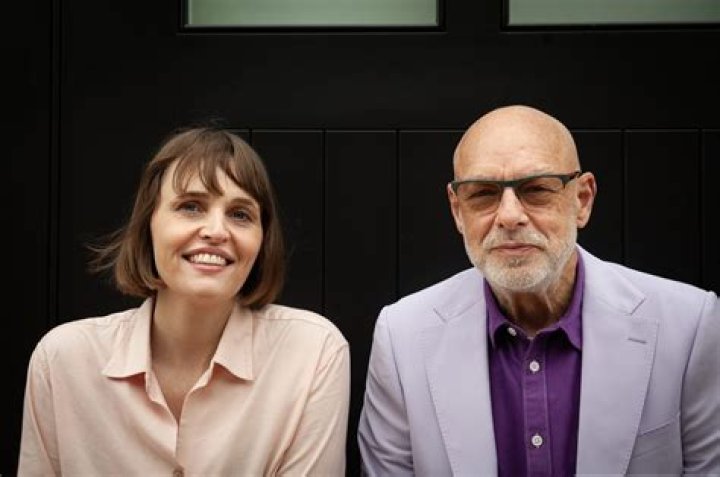
Kelly Reilly is an English actress known for her roles in films and television shows such as "After Miss Julie," "Sherlock Holmes," and "Yellowstone." She has been praised for her acting skills and her ability to portray complex and challenging characters.
Reilly has also been open about her personal life, including her struggles with body image and eating disorders. In a 2018 interview with The Guardian, she spoke about how she had to learn to accept her body and her breasts in particular.
Reilly's journey to body acceptance is inspiring and relatable for many women. She has shown that it is possible to overcome body image issues and to learn to love and appreciate your body.
kelly reilly breast
Kelly Reilly is an English actress known for her roles in films and television shows such as "After Miss Julie," "Sherlock Holmes," and "Yellowstone." She has been praised for her acting skills and her ability to portray complex and challenging characters.
Reilly has also been open about her personal life, including her struggles with body image and eating disorders. In a 2018 interview with The Guardian, she spoke about how she had to learn to accept her body and her breasts in particular.
- Body acceptance
- Eating disorders
- Self-image
- Media representation
- Body positivity
- Mental health
- Female empowerment
- Personal growth
- Overcoming adversity
- Inspiring others
These are just a few of the key aspects related to "kelly reilly breast." Reilly's journey to body acceptance is inspiring and relatable for many women. She has shown that it is possible to overcome body image issues and to learn to love and appreciate your body.
Body Acceptance
Body acceptance is the practice of accepting one's body, regardless of its size, shape, or appearance. It involves recognizing that all bodies are different and that there is no one "ideal" body type. Body acceptance also means being aware of the ways in which society's beauty standards can be unrealistic and harmful, and challenging those standards.
Kelly Reilly's journey to body acceptance is an inspiring example of how it is possible to overcome body image issues and to learn to love and appreciate your body. Reilly has spoken openly about her struggles with body image and eating disorders, and how she has had to learn to accept her body and her breasts in particular.
Reilly's story is a reminder that body acceptance is not always easy, but it is possible. It is important to be patient with yourself and to challenge the negative thoughts and beliefs that you may have about your body. With time and effort, it is possible to learn to accept and appreciate your body, just as it is.
Eating disorders
Eating disorders are mental illnesses that involve disturbances in eating behavior. People with eating disorders may have an intense fear of gaining weight, and they may engage in extreme dieting or other unhealthy behaviors to control their weight.
- Anorexia nervosa is an eating disorder that is characterized by severe food restriction, weight loss, and a distorted body image. People with anorexia nervosa may have an intense fear of gaining weight, and they may engage in extreme dieting or other unhealthy behaviors to lose weight.
- Bulimia nervosa is an eating disorder that is characterized by binge eating followed by purging. People with bulimia nervosa may binge on large amounts of food and then purge by vomiting, using laxatives, or exercising excessively.
- Binge-eating disorder is an eating disorder that is characterized by recurrent episodes of binge eating. People with binge-eating disorder may eat large amounts of food in a short period of time, and they may feel a loss of control during these episodes.
Eating disorders can have a serious impact on a person's physical and mental health. People with eating disorders may experience malnutrition, dehydration, and other health problems. They may also experience anxiety, depression, and other mental health problems.
Kelly Reilly has spoken openly about her struggles with body image and eating disorders. In a 2018 interview with The Guardian, she spoke about how she had to learn to accept her body and her breasts in particular. Reilly's story is a reminder that eating disorders can affect anyone, regardless of their age, gender, or body type.
Self-image
Self-image is the way a person thinks and feels about themselves. It is influenced by a variety of factors, including our experiences, our culture, and the media. Our self-image can have a significant impact on our mental health and well-being.
Kelly Reilly has spoken openly about her struggles with body image and eating disorders. In a 2018 interview with The Guardian, she spoke about how she had to learn to accept her body and her breasts in particular. Reilly's story is a reminder that our self-image can be shaped by our experiences with our bodies.
The media often portrays a narrow and unrealistic ideal of beauty, which can lead to negative body image and eating disorders. It is important to be aware of the media's influence on our self-image and to challenge unrealistic beauty standards.
We can all take steps to improve our self-image. Here are a few tips:
- Be kind to yourself. Practice self-compassion and acceptance.
- Challenge negative thoughts. Don't believe everything you think about yourself.
- Focus on your strengths. Make a list of things you like about yourself.
- Surround yourself with positive people. Spend time with people who make you feel good about yourself.
- Seek professional help if needed. If you are struggling with body image or eating disorders, don't hesitate to seek professional help.
Improving our self-image is an ongoing journey. It takes time and effort, but it is worth it. When we have a positive self-image, we are more likely to be happy, healthy, and successful.
Media representation
The media plays a powerful role in shaping our perceptions of beauty and body image. The images we see in the media can have a significant impact on how we view ourselves and our bodies. For example, research has shown that exposure to images of thin and attractive models can lead to body dissatisfaction and eating disorders.
Kelly Reilly has spoken openly about her struggles with body image and eating disorders. In a 2018 interview with The Guardian, she spoke about how she had to learn to accept her body and her breasts in particular. Reilly's story is a reminder that the media's portrayal of beauty can be unrealistic and harmful.
It is important to be aware of the media's influence on our body image. We need to be critical of the images we see in the media and to challenge unrealistic beauty standards. We also need to be mindful of the way we talk about our own bodies and the bodies of others.
The media has a responsibility to promote positive body image. Media outlets should feature a diverse range of body types and should avoid using images that are likely to trigger body dissatisfaction. They should also be mindful of the way they talk about body weight and size.
We all have a role to play in challenging unrealistic beauty standards. We can start by being more accepting of our own bodies and by speaking out against body shaming. We can also support media outlets that promote positive body image.
Body positivity
Body positivity is a social movement that promotes the acceptance and appreciation of all body types. It challenges the unrealistic and harmful beauty standards that are often portrayed in the media. Body positivity encourages people to focus on their health and well-being, rather than on their appearance.
- Self-acceptance: Body positivity encourages people to accept their bodies as they are, regardless of their size, shape, or appearance. This includes accepting one's breasts, whether they are large, small, or asymmetrical.
- Challenging beauty standards: Body positivity challenges the narrow and unrealistic beauty standards that are often portrayed in the media. It promotes the idea that there is no one "ideal" body type and that all bodies are beautiful.
- Diversity and inclusion: Body positivity celebrates diversity and inclusion. It recognizes that all bodies are different and that there is no one "right" way to look. This includes celebrating the diversity of breast shapes and sizes.
- Health and well-being: Body positivity encourages people to focus on their health and well-being, rather than on their appearance. This includes making healthy choices about diet and exercise, and getting regular checkups.
Kelly Reilly is a body positive role model. She has spoken openly about her struggles with body image and eating disorders, and she has encouraged others to accept their bodies as they are. Reilly's story is an inspiration to many, and it shows that it is possible to overcome body image issues and to learn to love and appreciate your body.
Mental health
Mental health is an important component of overall health and well-being. It encompasses our emotional, psychological, and social well-being. Mental health can affect our thoughts, feelings, and behaviors, and it can also impact our physical health.
Kelly Reilly has spoken openly about her struggles with mental health, including body image issues and eating disorders. In a 2018 interview with The Guardian, she spoke about how she had to learn to accept her body and her breasts in particular. Reilly's story is a reminder that mental health can affect anyone, regardless of their age, gender, or body type.
There is a strong connection between mental health and breast health. Body image issues and eating disorders can lead to a number of mental health problems, such as anxiety, depression, and low self-esteem. These mental health problems can then lead to further problems, such as self-harm, substance abuse, and suicide.
It is important to seek help if you are struggling with mental health problems. There are many resources available to help you get the support you need.
Here are some tips for improving your mental health:
- Talk to someone you trust about how you are feeling.
- Seek professional help if you are struggling with mental health problems.
- Practice self-care activities, such as exercise, meditation, and spending time in nature.
- Avoid negative self-talk and focus on your strengths.
- Be kind to yourself and others.
Improving your mental health can lead to a number of benefits, including improved body image, reduced eating disorder symptoms, and better overall health and well-being.
Female empowerment
Female empowerment is the process of empowering women and giving them the tools and resources they need to make their own choices and live their lives to the fullest. It is about giving women the power to control their own bodies, lives, and destinies.
Kelly Reilly is a strong advocate for female empowerment. She has spoken out against sexism and misogyny, and she has used her platform to raise awareness of important issues such as body image and eating disorders. Reilly's work is helping to empower women and girls around the world.
There are many ways to empower women. We can support women's rights organizations, we can mentor young women, and we can challenge sexism and misogyny in our own lives. By working together, we can create a more just and equitable world for women and girls.
Personal growth
Personal growth is a journey of self-discovery and development. It involves challenging oneself, taking risks, and learning from our experiences. Personal growth can lead to greater self-awareness, confidence, and resilience.
- Embracing challenges: Personal growth often involves stepping outside of our comfort zones and taking on new challenges. This can be daunting, but it can also be incredibly rewarding. When we challenge ourselves, we learn new skills, develop new perspectives, and grow as individuals.
- Overcoming obstacles: Life is full of obstacles. The way we respond to these obstacles can either hinder or help our personal growth. When we face obstacles, we have the choice to either give up or to learn from them. By choosing to learn from our mistakes, we can grow stronger and more resilient.
- Learning from our experiences: Every experience, both positive and negative, has the potential to teach us something. When we take the time to reflect on our experiences, we can learn from our mistakes, identify our strengths, and develop new strategies for success.
- Setting goals: Setting goals is an important part of personal growth. Goals give us something to strive for and help us to stay motivated. When we achieve our goals, we feel a sense of accomplishment and satisfaction. This can boost our confidence and inspire us to set even more ambitious goals.
Personal growth is an ongoing journey. It is something that we should all strive for, regardless of our age or stage in life. By embracing challenges, overcoming obstacles, learning from our experiences, and setting goals, we can all achieve our full potential.
Overcoming adversity
Overcoming adversity is a key part of Kelly Reilly's story. She has spoken openly about her struggles with body image and eating disorders, and how she has had to overcome adversity to learn to accept her body and her breasts in particular.
Reilly's story is an inspiration to many, and it shows that it is possible to overcome adversity and to learn to love and appreciate your body.
There are many ways to overcome adversity. Here are a few tips:
- Talk to someone you trust about how you are feeling.
- Seek professional help if you are struggling to cope with adversity.
- Practice self-care activities, such as exercise, meditation, and spending time in nature.
- Focus on your strengths and accomplishments.
- Be kind to yourself and others.
Overcoming adversity is not always easy, but it is possible. By following these tips, you can learn to overcome adversity and to live a happy and fulfilling life.
Inspiring others
Kelly Reilly is an inspiration to many people. She has spoken openly about her struggles with body image and eating disorders, and how she has had to overcome adversity to learn to accept her body and her breasts in particular. Reilly's story is a reminder that everyone is different, and that there is no one "ideal" body type. It is important to accept yourself for who you are, and to not compare yourself to others.
Reilly's story is also a reminder that it is possible to overcome adversity. No matter what challenges you are facing, there is always hope. With hard work and determination, you can achieve anything you set your mind to.
Reilly's story is an inspiration to us all. She shows us that it is possible to overcome adversity and to live a happy and fulfilling life. We can all learn from her example and strive to be more accepting of ourselves and others.
FAQs about "kelly reilly breast"
This section provides answers to frequently asked questions about "kelly reilly breast".
Question 1: What is "kelly reilly breast"?
Answer 1: "kelly reilly breast" generally refers to the topic of body acceptance and overcoming body image issues, particularly in relation to breasts.
Question 2: Who is Kelly Reilly?
Answer 2: Kelly Reilly is an English actress known for her roles in films such as "After Miss Julie", "Sherlock Holmes" and "Yellowstone". She has been open about her struggles with body image and eating disorders, and has become an advocate for body acceptance.
Question 3: What are the main themes associated with "kelly reilly breast"?
Answer 3: The main themes associated with "kelly reilly breast" include body acceptance, eating disorders, self-image, mental health, female empowerment, personal growth, overcoming adversity, and inspiring others.
Question 4: What are some tips for improving body image?
Answer 4: Some tips for improving body image include practicing self-compassion, challenging negative thoughts, focusing on strengths, surrounding yourself with positive people, and seeking professional help if needed.
Question 5: How can I overcome body image issues related to my breasts?
Answer 5: Overcoming body image issues related to breasts involves embracing your unique body, challenging societal beauty standards, practicing self-acceptance, seeking support from others, and focusing on your overall health and well-being.
Question 6: What are some resources for getting help with body image issues?
Answer 6: There are numerous resources available for getting help with body image issues, including mental health professionals, support groups, online forums, and body-positive organizations.
Remember, body acceptance is a journey that requires patience and self-compassion. By embracing our unique qualities and focusing on our overall well-being, we can all learn to appreciate and love our bodies.
Learn more about body acceptance
Tips for Embracing Body Acceptance
Body acceptance is a journey that requires patience and self-compassion. Here are five tips to help you on your journey:
Tip 1: Practice Self-Compassion
Treat yourself with the same kindness and understanding you would offer to a friend. Avoid negative self-talk and focus on your strengths and positive qualities.
Tip 2: Challenge Negative Thoughts
Identify and challenge the negative thoughts you have about your body. Ask yourself if there is any evidence to support these thoughts. Consider alternative, more positive perspectives.
Tip 3: Focus on Your Health
Prioritize your overall health and well-being. Engage in regular exercise, eat a nutritious diet, and get enough sleep. These habits will not only benefit your physical health but also boost your mental and emotional well-being.
Tip 4: Surround Yourself with Positivity
Spend time with people who make you feel good about yourself. Surround yourself with positive influences, such as body-positive social media accounts, books, and movies.
Tip 5: Seek Professional Help if Needed
If you are struggling with persistent body image issues, don't hesitate to seek professional help. A therapist can provide support, guidance, and evidence-based techniques for improving body acceptance.
Remember, body acceptance is not about achieving a certain ideal. It is about learning to appreciate and love your body for all its unique qualities.
Learn more about body acceptance
Conclusion
Throughout this exploration of "kelly reilly breast", we have delved into the complexities of body acceptance and the challenges faced by many individuals in their journey towards self-love. Kelly Reilly's personal experiences and advocacy have shed light on the importance of embracing our unique qualities and defying societal beauty standards.
Body acceptance is a continuous practice that requires patience, self-compassion, and a commitment to challenging negative self-perceptions. By surrounding ourselves with positivity, seeking professional help when needed, and focusing on our overall well-being, we can cultivate a healthier and more fulfilling relationship with our bodies.