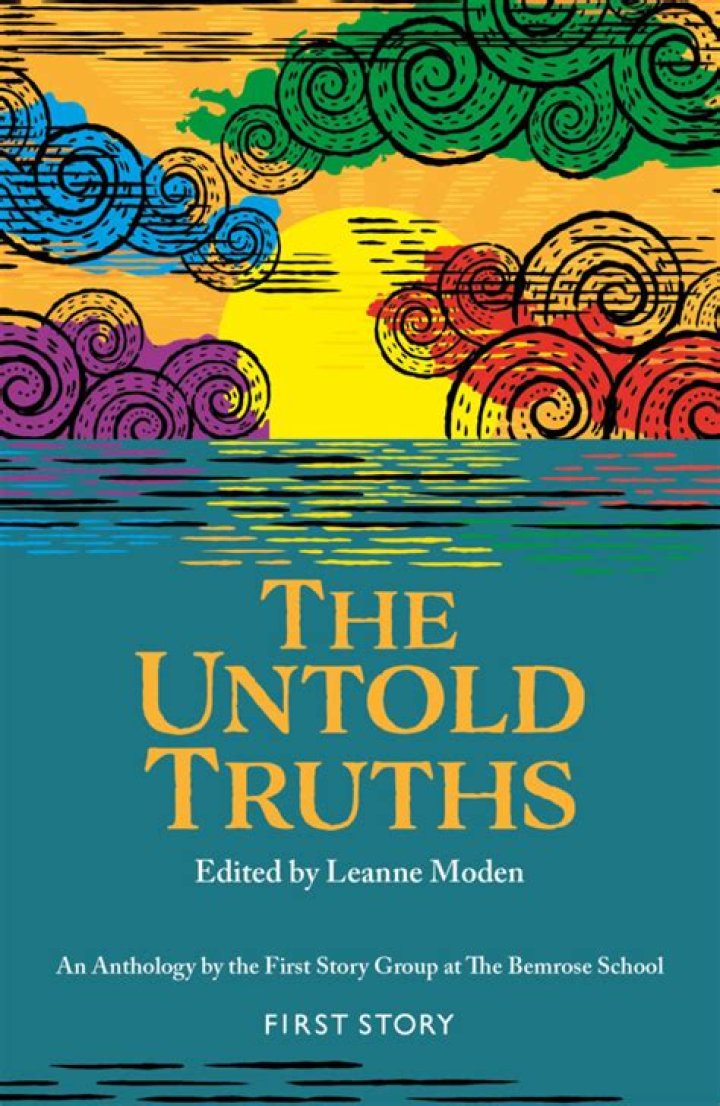
Maria Borrly-Petersen (1882-1963) was a Danish-French painter associated with the Nabi group and known for her distinctive style that blended elements of Symbolism, Art Nouveau, and Fauvism.
Borrly-Petersen was born in Copenhagen, Denmark, and studied art at the Acadmie Julian in Paris. She was influenced by the work of Paul Gauguin and other Post-Impressionist artists, and her early paintings often depicted scenes of rural life in Brittany. In the early 1900s, she became associated with the Nabi group, a group of avant-garde artists who sought to create a new kind of art that was both spiritual and decorative. Borrly-Petersen's work from this period is characterized by its use of flat, decorative colors and simplified forms.
In the 1910s, Borrly-Petersen's style evolved towards a more abstract and expressive form of painting. She began to use brighter colors and more dynamic compositions, and her work became increasingly influenced by Fauvism. Her later paintings often depicted scenes of everyday life, such as women at work or children playing. Borrly-Petersen's work was exhibited widely throughout Europe and the United States, and she is considered one of the most important female artists of her generation.
Maria Borrly-Petersen
Maria Borrly-Petersen was a Danish-French painter associated with the Nabi group and known for her distinctive style that blended elements of Symbolism, Art Nouveau, and Fauvism. Here are eight key aspects of her life and work:
- Early life and training: Born in Copenhagen, Denmark, studied art at the Acadmie Julian in Paris.
- Association with the Nabi group: Influenced by the work of Paul Gauguin and other Post-Impressionist artists, became associated with the Nabi group in the early 1900s.
- Distinctive style: Her work from this period is characterized by its use of flat, decorative colors and simplified forms.
- Evolution towards abstraction: In the 1910s, her style evolved towards a more abstract and expressive form of painting.
- Use of bright colors and dynamic compositions: Began to use brighter colors and more dynamic compositions, and her work became increasingly influenced by Fauvism.
- Depiction of everyday life: Her later paintings often depicted scenes of everyday life, such as women at work or children playing.
- Exhibitions and recognition: Her work was exhibited widely throughout Europe and the United States, and she is considered one of the most important female artists of her generation.
- Legacy: Her work continues to be exhibited and admired today, and she is considered a significant figure in the history of modern art.
These key aspects provide a comprehensive overview of Maria Borrly-Petersen's life and work. Her distinctive style, her association with the Nabi group, and her pioneering use of abstraction andFauvism make her an important figure in the history of art.
Early life and training
Maria Borrly-Petersen's early life and training played a significant role in shaping her artistic career. She was born in Copenhagen, Denmark, in 1882, and grew up in a creative environment. Her father was a painter, and her mother was a musician. Borrly-Petersen began studying art at a young age, and she eventually enrolled at the Acadmie Julian in Paris, one of the most prestigious art schools in the world.
At the Acadmie Julian, Borrly-Petersen studied under some of the most influential artists of the day, including Jules Lefebvre and Jean-Joseph Benjamin-Constant. She also met other young artists who would become lifelong friends and collaborators, such as Henri Matisse and Georges Rouault. Borrly-Petersen's training at the Acadmie Julian gave her a solid foundation in the technical aspects of painting, and it also exposed her to the latest trends in contemporary art.
After graduating from the Acadmie Julian, Borrly-Petersen began to develop her own unique style of painting. She was influenced by the work of Paul Gauguin and other Post-Impressionist artists, and she also experimented with different styles, such as Symbolism and Art Nouveau. Borrly-Petersen's early work often depicted scenes of rural life in Brittany, and she used muted colors and simplified forms to create a sense of mystery and atmosphere.
Borrly-Petersen's early life and training were essential to her development as an artist. She learned the technical skills and artistic principles that would serve her well throughout her career, and she also developed a unique style that set her apart from her contemporaries. Borrly-Petersen's work is now considered to be among the most important examples of early modern art, and she is recognized as one of the most significant female artists of her generation.
Association with the Nabi group
Maria Borrly-Petersen's association with the Nabi group was a significant factor in her artistic development. The Nabi group was a group of avant-garde artists who sought to create a new kind of art that was both spiritual and decorative. Borrly-Petersen was drawn to the Nabi group's emphasis on symbolism and their use of flat, decorative colors. She became a member of the group in the early 1900s, and her work from this period is characterized by its use of these elements.
The Nabi group had a profound influence on Borrly-Petersen's work. She adopted their use of symbolism and their emphasis on the decorative aspects of painting. Her work from this period is often characterized by its use of flat, decorative colors and simplified forms. Borrly-Petersen's association with the Nabi group also helped her to develop her own unique style of painting. She was able to combine the Nabi group's emphasis on symbolism with her own interest in the natural world. The result is a body of work that is both visually appealing and intellectually stimulating.
Borrly-Petersen's association with the Nabi group was a crucial step in her artistic development. It helped her to develop her own unique style of painting and to gain recognition as one of the most important artists of her generation.
Distinctive style
Maria Borrly-Petersen's distinctive style is characterized by its use of flat, decorative colors and simplified forms. This style is evident in her work from the early 1900s, when she was associated with the Nabi group. The Nabi group was a group of avant-garde artists who sought to create a new kind of art that was both spiritual and decorative. Borrly-Petersen's work from this period often depicts scenes of rural life in Brittany, and she uses muted colors and simplified forms to create a sense of mystery and atmosphere.
Borrly-Petersen's distinctive style is also evident in her later work, which is more abstract and expressive. She continued to use flat, decorative colors and simplified forms, but she also began to experiment with brighter colors and more dynamic compositions. Her later work often depicts scenes of everyday life, such as women at work or children playing.
Borrly-Petersen's distinctive style is one of the things that makes her work so unique and recognizable. Her use of flat, decorative colors and simplified forms creates a sense of mystery and atmosphere that is unlike anything else in the art world. Her work is both visually appealing and intellectually stimulating, and it continues to be admired by people all over the world.
Evolution towards abstraction
Maria Borrly-Petersen's evolution towards abstraction in the 1910s was a significant turning point in her artistic career. Up until this point, her work had been characterized by its use of flat, decorative colors and simplified forms. However, in the 1910s, she began to experiment with brighter colors and more dynamic compositions, and her work became increasingly abstract and expressive.
- Use of color: Borrly-Petersen began to use brighter, more saturated colors in her work. This was a departure from her earlier use of muted colors, and it helped to create a more vibrant and dynamic effect.
- Composition: Borrly-Petersen also began to experiment with more dynamic compositions in her work. She moved away from the static, symmetrical compositions of her earlier work, and began to create more fluid, asymmetrical compositions. This helped to create a sense of movement and energy in her work.
- Simplification of forms: Borrly-Petersen continued to simplify the forms in her work, but she did so in a way that created a more abstract and expressive effect. She reduced her forms to their essential shapes, and she often used geometric shapes to create a sense of order and balance.
- Influences: Borrly-Petersen's evolution towards abstraction was influenced by a number of factors, including her exposure to the work of other artists, such as Henri Matisse and Pablo Picasso. She was also influenced by the changing artistic climate of the time, which saw a growing interest in abstraction and expressionism.
Borrly-Petersen's evolution towards abstraction was a significant development in her artistic career. It allowed her to break away from the constraints of traditional painting and to develop her own unique style. Her abstract work is characterized by its use of bright colors, dynamic compositions, and simplified forms. It is a powerful and expressive body of work that continues to be admired by people all over the world.
Use of bright colors and dynamic compositions
Maria Borrly-Petersen's use of bright colors and dynamic compositions was a significant development in her artistic career. It was a departure from her earlier use of muted colors and static compositions, and it helped to create a more vibrant and expressive body of work. This shift was influenced by her exposure to the work of other artists, such as Henri Matisse and Pablo Picasso, as well as the changing artistic climate of the time, which saw a growing interest in abstraction and expressionism.
Borrly-Petersen's use of bright colors and dynamic compositions is evident in her work from the 1910s onwards. Her paintings from this period are characterized by their use of bold, saturated colors and fluid, asymmetrical compositions. This creates a sense of movement and energy in her work, and it helps to convey her emotional response to the world around her.
The use of bright colors and dynamic compositions is an important component of Borrly-Petersen's work. It is one of the things that makes her work so unique and recognizable. Her paintings are a powerful and expressive body of work that continues to be admired by people all over the world.
Depiction of everyday life
Maria Borrly-Petersen's depiction of everyday life in her later paintings is a significant aspect of her work. It reflects her interest in the human condition and her desire to capture the beauty and simplicity of everyday moments. Borrly-Petersen's paintings of everyday life are often characterized by their use of warm colors, soft lighting, and gentle brushstrokes. This creates a sense of intimacy and warmth, and it draws the viewer into the scene.
Borrly-Petersen's decision to depict everyday life in her paintings was a deliberate one. She believed that art should be accessible to everyone, and she wanted her paintings to reflect the lives of ordinary people. Borrly-Petersen's paintings of everyday life are not sentimental or idealized. Instead, they are honest and portrayals of the human condition. They capture the joys and sorrows, the hopes and fears, of everyday life.
Borrly-Petersen's depiction of everyday life in her paintings is an important contribution to the history of art. It helped to break down the barriers between high art and low art, and it paved the way for other artists to explore the beauty and complexity of everyday life in their work.
Exhibitions and Recognition
Maria Borrly-Petersen's work was exhibited widely throughout Europe and the United States during her lifetime. She was one of the few female artists of her generation to achieve such widespread recognition. Her work was featured in major exhibitions in Paris, London, New York, and other cities. Borrly-Petersen's work was also collected by museums and private collectors around the world.
- International acclaim: Borrly-Petersen's work was exhibited in some of the most prestigious galleries and museums in the world, including the Salon de la Socit Nationale des Beaux-Arts in Paris, the Royal Academy in London, and the Metropolitan Museum of Art in New York.
- Critical praise: Borrly-Petersen's work was praised by critics for its originality, beauty, and technical skill. She was hailed as one of the most important female artists of her generation.
- Influence on other artists: Borrly-Petersen's work influenced a number of other artists, including Henri Matisse and Pablo Picasso. Her work helped to shape the development of modern art.
- Legacy: Borrly-Petersen's work continues to be exhibited and admired around the world. She is considered one of the most important female artists of the 20th century.
Borrly-Petersen's exhibitions and recognition are a testament to her talent and dedication. She was a pioneer for female artists and her work continues to inspire and amaze people today.
Legacy
Maria Borrly-Petersen's legacy as a significant figure in the history of modern art is due in large part to the continued exhibition and admiration of her work. Her paintings are held in the collections of major museums around the world, and they continue to be exhibited in both solo and group exhibitions. This ongoing exposure ensures that Borrly-Petersen's work remains relevant to contemporary audiences and that her contribution to the development of modern art is not forgotten.
The admiration for Borrly-Petersen's work is not simply due to its historical significance. Her paintings are also visually appealing and emotionally resonant. Her use of color, form, and composition creates a unique and compelling aesthetic experience that continues to captivate viewers. As a result, Borrly-Petersen's work has a broad appeal that transcends time and place.
The continued exhibition and admiration of Borrly-Petersen's work is a testament to her talent and skill as an artist. Her work has stood the test of time and continues to be relevant to contemporary audiences. Borrly-Petersen's legacy as a significant figure in the history of modern art is secure.
FAQs on Maria Borrly-Petersen
Maria Borrly-Petersen was a Danish-French painter associated with the Nabi group and known for her distinctive style that blended elements of Symbolism, Art Nouveau, and Fauvism. Here are some frequently asked questions about her life and work:
Question 1: What are the key characteristics of Maria Borrly-Petersen's artistic style?Borrly-Petersen's style is characterized by its use of flat, decorative colors, simplified forms, and dynamic compositions. Her work often depicts scenes of everyday life and is known for its emotional resonance and sense of mystery.
Question 2: What was Borrly-Petersen's relationship to the Nabi group?Borrly-Petersen was a member of the Nabi group, a group of avant-garde artists who sought to create a new kind of art that was both spiritual and decorative. The Nabi group had a significant influence on Borrly-Petersen's work, particularly in her use of symbolism and decorative elements.
Question 3: How did Borrly-Petersen's style evolve over time?Borrly-Petersen's style evolved over time, becoming more abstract and expressive in her later work. She began to use brighter colors and more dynamic compositions, and her work became increasingly influenced by Fauvism. This evolution reflects Borrly-Petersen's ongoing experimentation and her desire to push the boundaries of her art.
Question 4: What are some of the major themes in Borrly-Petersen's work?Borrly-Petersen's work often explores themes of nature, spirituality, and the human condition. Her paintings depict scenes of everyday life, but they also convey a sense of mystery and wonder. Borrly-Petersen's work invites viewers to contemplate the beauty and complexity of the world around them.
Question 5: How is Borrly-Petersen's work regarded today?Borrly-Petersen's work is highly regarded today and is considered to be an important contribution to the history of modern art. Her work has been exhibited in major museums around the world and is held in the collections of many prestigious institutions. Borrly-Petersen's unique style and her ability to capture the beauty and complexity of everyday life continue to inspire and amaze viewers.
Summary: Maria Borrly-Petersen was a talented and innovative artist who made significant contributions to the development of modern art. Her work is characterized by its use of flat, decorative colors, simplified forms, and dynamic compositions. Borrly-Petersen's work often explores themes of nature, spirituality, and the human condition, and it continues to be admired and celebrated today.
Transition to the next article section: Borrly-Petersen's work has had a lasting impact on the art world, and her legacy continues to inspire contemporary artists. In the next section, we will explore the influence of Borrly-Petersen's work on modern and contemporary art.
Tips by Maria Borrly-Petersen
Maria Borrly-Petersen, a Danish-French painter, was known for her distinctive style that blended elements of Symbolism, Art Nouveau, and Fauvism. Her work is characterized by its use of flat, decorative colors, simplified forms, and dynamic compositions.
Tip 1: Use flat, decorative colors.
Borrly-Petersen often used flat, decorative colors in her work. This creates a sense of mystery and atmosphere, and it helps to emphasize the decorative aspects of her paintings.
Tip 2: Simplify forms.
Borrly-Petersen simplified forms in her work to create a sense of order and balance. This also helps to emphasize the essential shapes of objects.
Tip 3: Use dynamic compositions.
Borrly-Petersen used dynamic compositions in her work to create a sense of movement and energy. This helps to draw the viewer's eye into the painting and to engage them with the subject matter.
Tip 4: Explore themes of nature and spirituality.
Borrly-Petersen's work often explored themes of nature and spirituality. She was inspired by the beauty of the natural world, and she believed that art could be a way to connect with the divine.
Tip 5: Be bold and experimental.
Borrly-Petersen was not afraid to experiment with new techniques and styles. She was constantly pushing the boundaries of her art, and she was always looking for new ways to express herself.
Summary of key takeaways or benefits:
By following these tips, you can learn from Maria Borrly-Petersen's unique approach to art. Her work can inspire you to be more creative and experimental in your own artistic practice.
Transition to the article's conclusion:
Maria Borrly-Petersen was a groundbreaking artist who made significant contributions to the development of modern art. Her work continues to inspire and amaze viewers today. By understanding her techniques and approach to art, you can learn to create your own unique and meaningful works of art.
Conclusion
Maria Borrly-Petersen was a groundbreaking artist who made significant contributions to the development of modern art. Her unique style, which blended elements of Symbolism, Art Nouveau, and Fauvism, continues to inspire and amaze viewers today.
Borrly-Petersen's work explored themes of nature, spirituality, and the human condition. She was a master of color and composition, and her paintings are characterized by their flat, decorative colors, simplified forms, and dynamic compositions. Borrly-Petersen's work invites viewers to contemplate the beauty and complexity of the world around them.
Borrly-Petersen's legacy continues to inspire contemporary artists. Her work is a reminder that art can be a powerful force for good, and that it can be used to explore the human experience in all its complexity.